
The Justice for Journalists Foundation and the Centre for Freedom of the Media, University of Sheffield, are pleased to announce their collaboration on the research project “Profiling Impunity for Human Rights Violations Against Journalists: A Systematic Account of State-Based Harm and Practices of Resistance.” The project is led by Dr Sara Torsner and funded by the Economic and Social Research Council (ESRC).
As part of the collaboration, JFJ contributes its extensive dataset with almost 26,500 verified attacks on media workers in post-Soviet states. The data collected over the period of nine years via JFJ’s Media Risk Map contains a wide range of attacks, including physical assaults, non-physical intimidation, cyber-attacks, and forms of pressure on media workers carried out through judicial or economic means.
Since 2017, JFJ and its country partners have been recording and analysing incidents across the following countries and territories: Azerbaijan, Armenia, Belarus, Crimea, Georgia, Kazakhstan, Kyrgyzstan, Moldova, Russia, Tajikistan, Turkmenistan, Ukraine, and Uzbekistan.
The aim of the research is to develop more effective strategies for addressing impunity against media workers and protecting journalists and their work. JFJ is pleased to contribute its extensive knowledge base to strengthen the academic effort to assess patterns of state-based harm and efficiency of countermeasures across diverse country contexts.
For more information, contact Dr Sara Torsner.
UK MEDIA FREEDOM FORUM
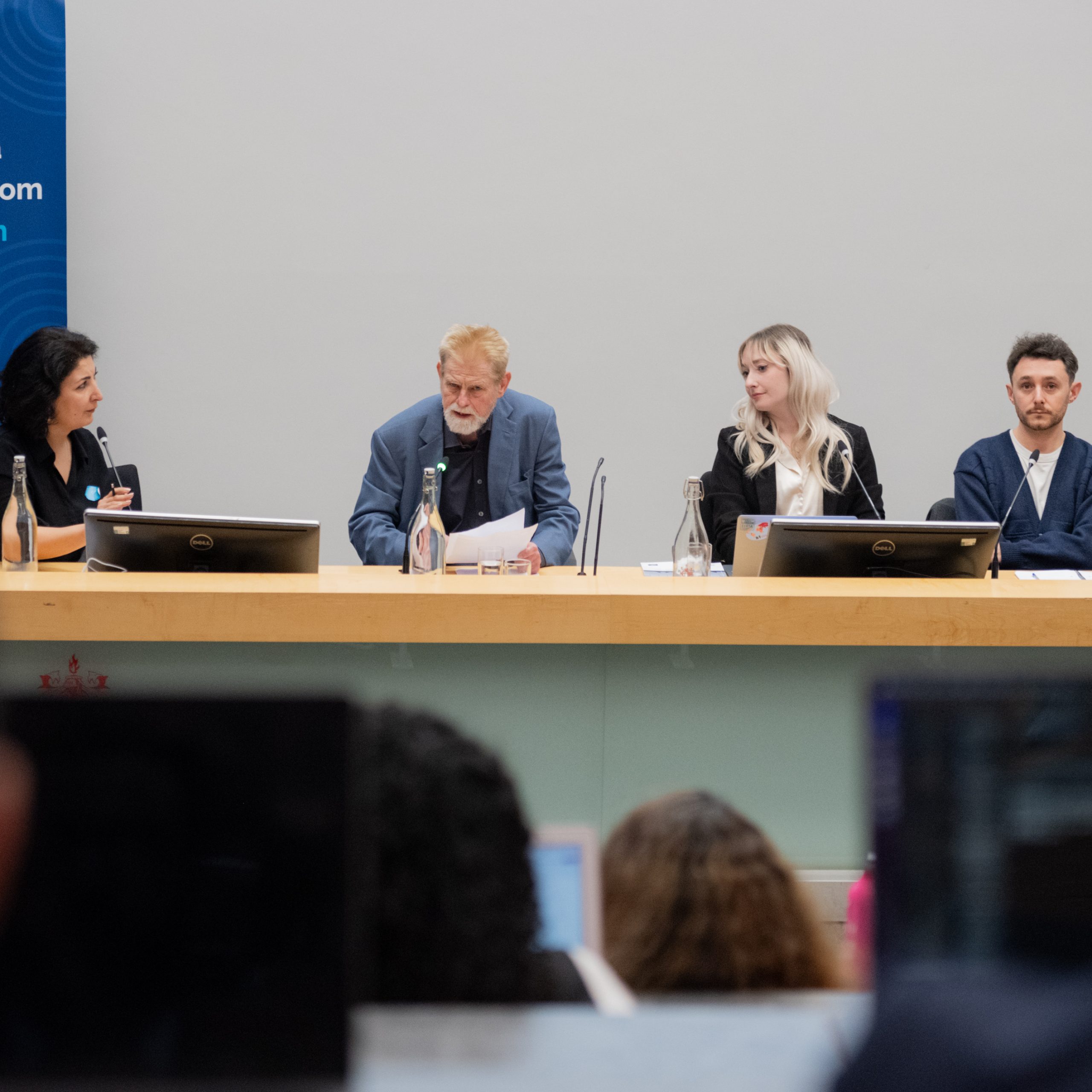
On 5-6 March, JFJ, the FPC and the International Bar Association’s Human Rights Institute held the second UK Media Freedom Forum, in partnership with City St George’s, University of London. The Forum received support from UNESCO, the Council of Europe, the OSCE, RPC, Centre for Journalism and Democracy and the UK Anti-SLAPP Coalition, whose representatives also participated in the panel discussions.
ATTACKS ON MEDIA WORKERS IN 2025
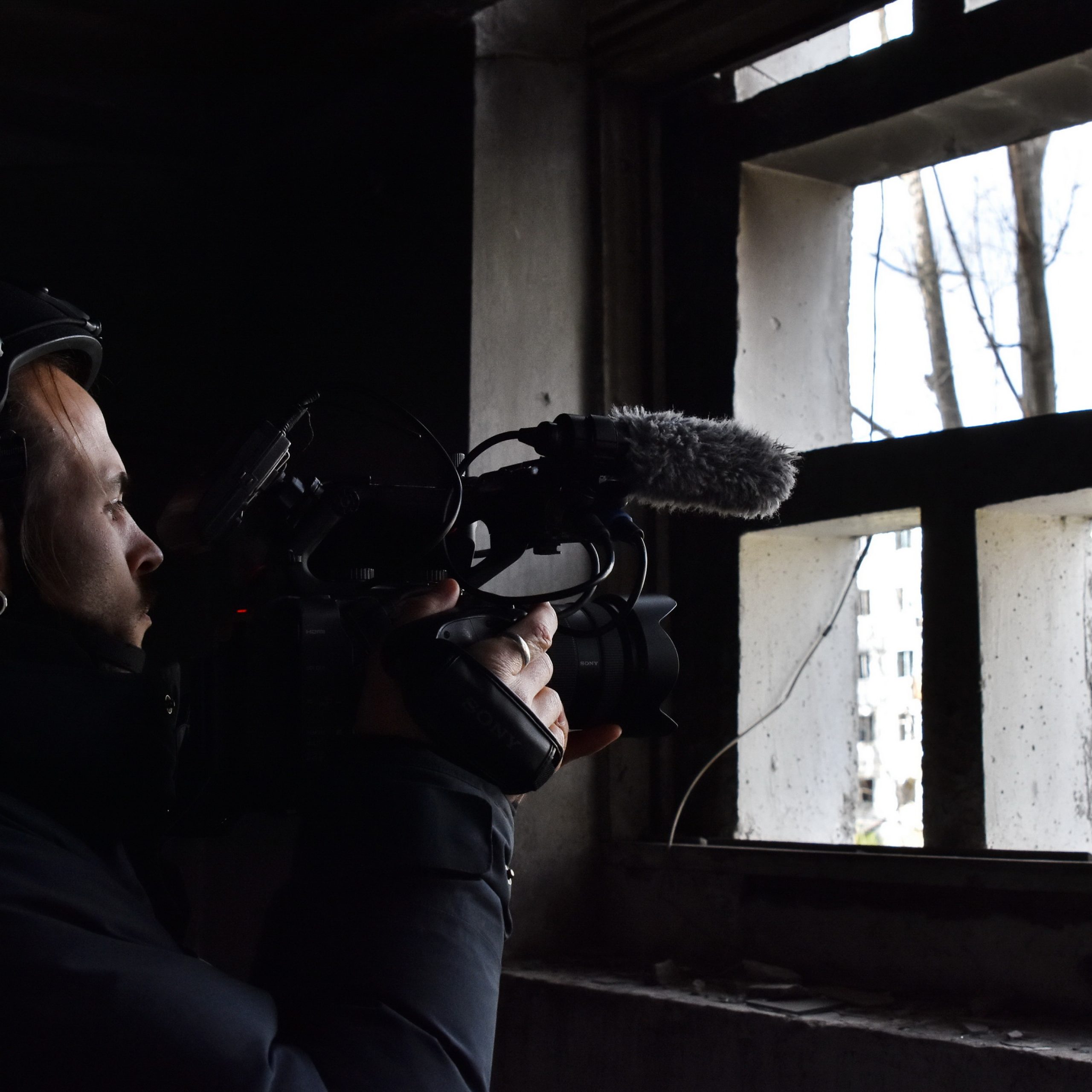
Together with its partners, JFJ published its annual report,
Attacks on Media Workers in 2025, documenting incidents across Armenia, Azerbaijan, Belarus, Crimea, Georgia, Moldova, Russia, and Ukraine. For this edition, journalists from across the region shared first-hand testimonies, describing the attacks they have experienced as well as the broader state of media freedom in their countries.
Please email info@jfj.fund if you would like to receive a PDF copy of the report.
STATEMENTS AND NEWS FROM PARTNERS
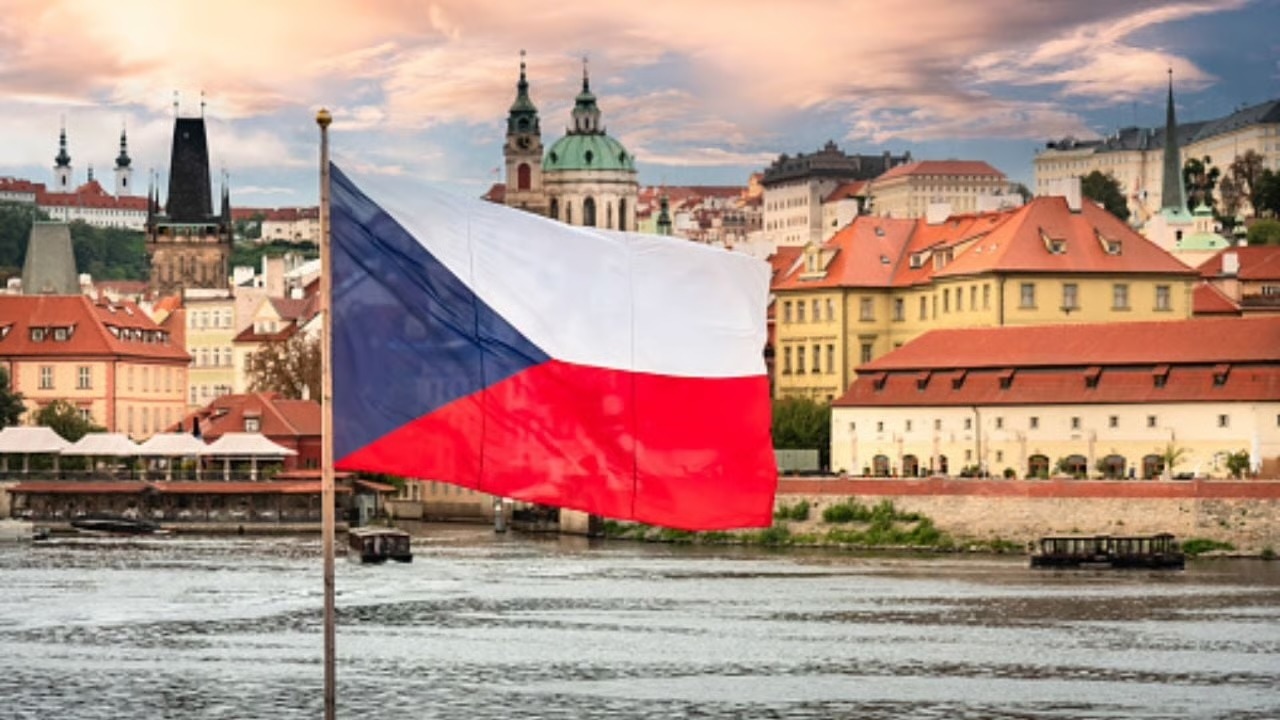
- JFJ has joined a group of international media and journalists’ organisations, led by the EBU, in warning that proposed changes to public service media funding in Czechia – including plans to significantly reduce licence fee contributions and potentially abolish the system altogether – risk undermining the financial sustainability and independence of Czech public broadcasters. The organisations stress that any such reforms must be transparent, subject to broad consultation, and aligned with European standards, including the European Media Freedom Act, to ensure stable, adequate and predictable funding for public service media.
- International Partnership for Human Rights (IPHR) has opened the assistance request form for individuals who are victims of transnational repressions (TNR) or are at high risk of becoming targets of such repressions. The form is intended exclusively for Russian nationals and for cases of transnational repression carried out by the Russian state or its proxies.
- Reporters Without Borders (RSF) published a guide for journalists working in Ukraine, ‘Protection against Russian drones’. Available in English and Ukrainian, the guide focuses on small drones operated by pilots in real time, often using virtual reality headsets, such as first-person view (FPV) devices. In addition to identifying the different types of drones used by the Russian army that could threaten reporters on the front line, the guide and video offer concrete recommendations for assignment preparation, clothing choices, the safest means of transport and reacting to the presence of a drone.
- The UNCCD and the International Drought Resilience Alliance (IDRA) launched the UNCCD COP17 Land and Drought Media Reporting Fellowship to support journalists covering one of the defining, yet underreported, stories of our time: the growing pressure on the world’s land and what it means for food and water security, economic stability and global resilience. The application deadline is 15 April 2026.
- The Investigative Journalism for Europe (IJ4EU) programme has opened new funding calls to support ambitious cross-border investigations addressing issues of public interest. The programme provides financial support and practical assistance to teams of journalists working collaboratively across borders. The application deadline is 13 April 2026.
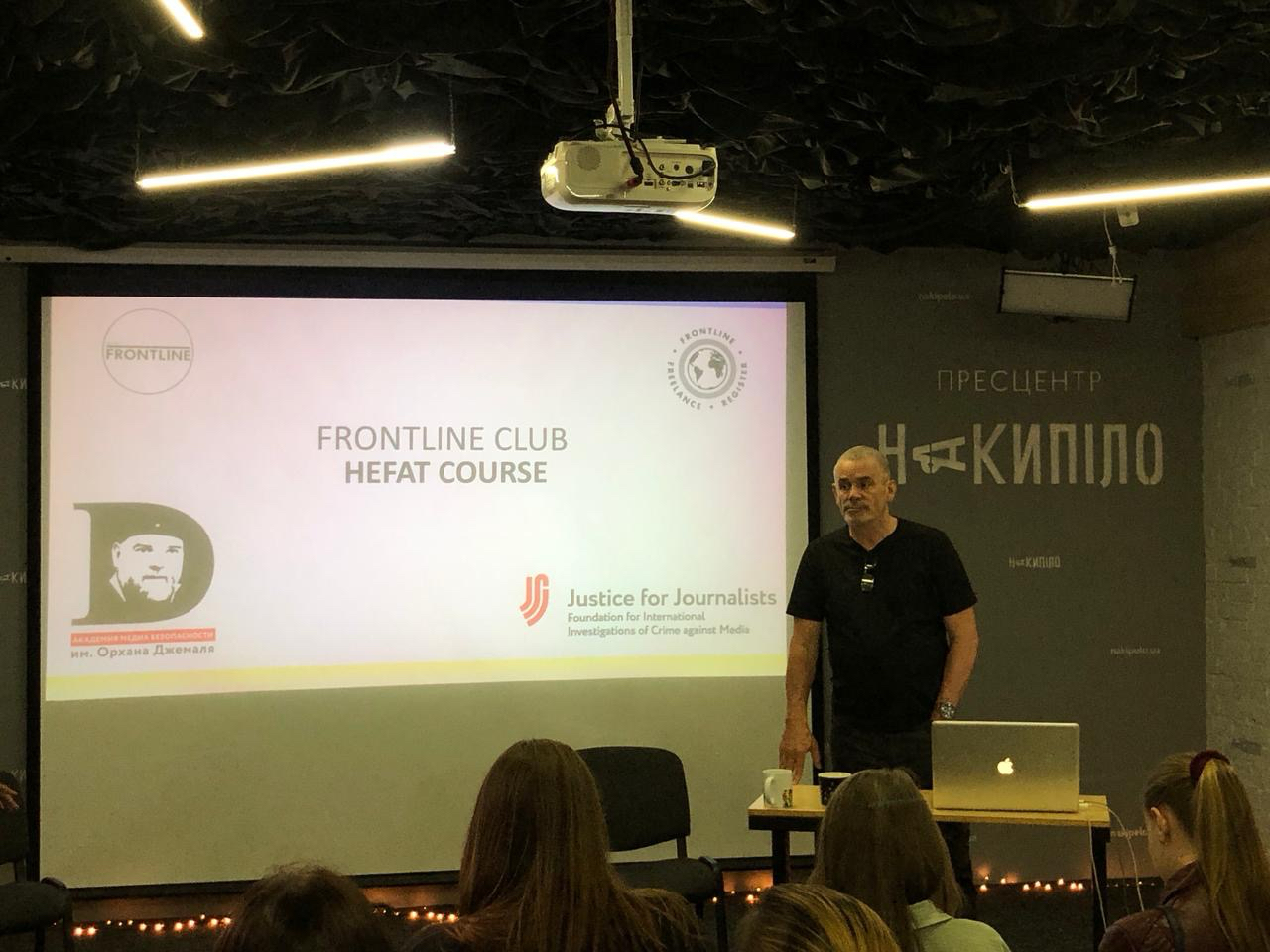
We are deeply saddened by the passing of Paul Conroy at age 61. At JFJ, we were fortunate to call Paul a collaborator and friend, working alongside him to deliver essential safety training to journalists in the post-Soviet region. Paul was a man of immense courage who dedicated his career to the frontlines. His legacy survives in the dozens of media workers who now carry his knowledge and spirit into the field.