SAVE THE DATE: UK MEDIA FREEDOM FORUM

The Justice for Journalists Foundation, Foreign Policy Centre, and the International Bar Association’s Human Rights Institute are pleased to announce that the UK Media Freedom Forum will take place on Tuesday 05 and Firday 05 March 2026, in partnership with the City St George’s, University of London.
This two-day Forum will explore a number of themes impacting media freedom globally, including the use of lawfare and strategic lawsuits against public participation (SLAPPs), transnational repression, misinformation and disinformation, and media literacy. Through utilising both a local and international lens, the conference will also allow for an assessment of the effectiveness of the UK as well as other States’ involvement with global initiatives, including the 51-State Members of the MFC, and engagement at multilateral fora, such as the United Nations, OSCE and Council of Europe (CoE) when it comes to taking concrete action to defending media freedom.
If you have any questions or queries about the Forum, please contact: events@fpc.org.uk.
CALL FOR A COUNCIL OF EUROPE CONVENTION ON TRANSNATIONAL REPRESSION
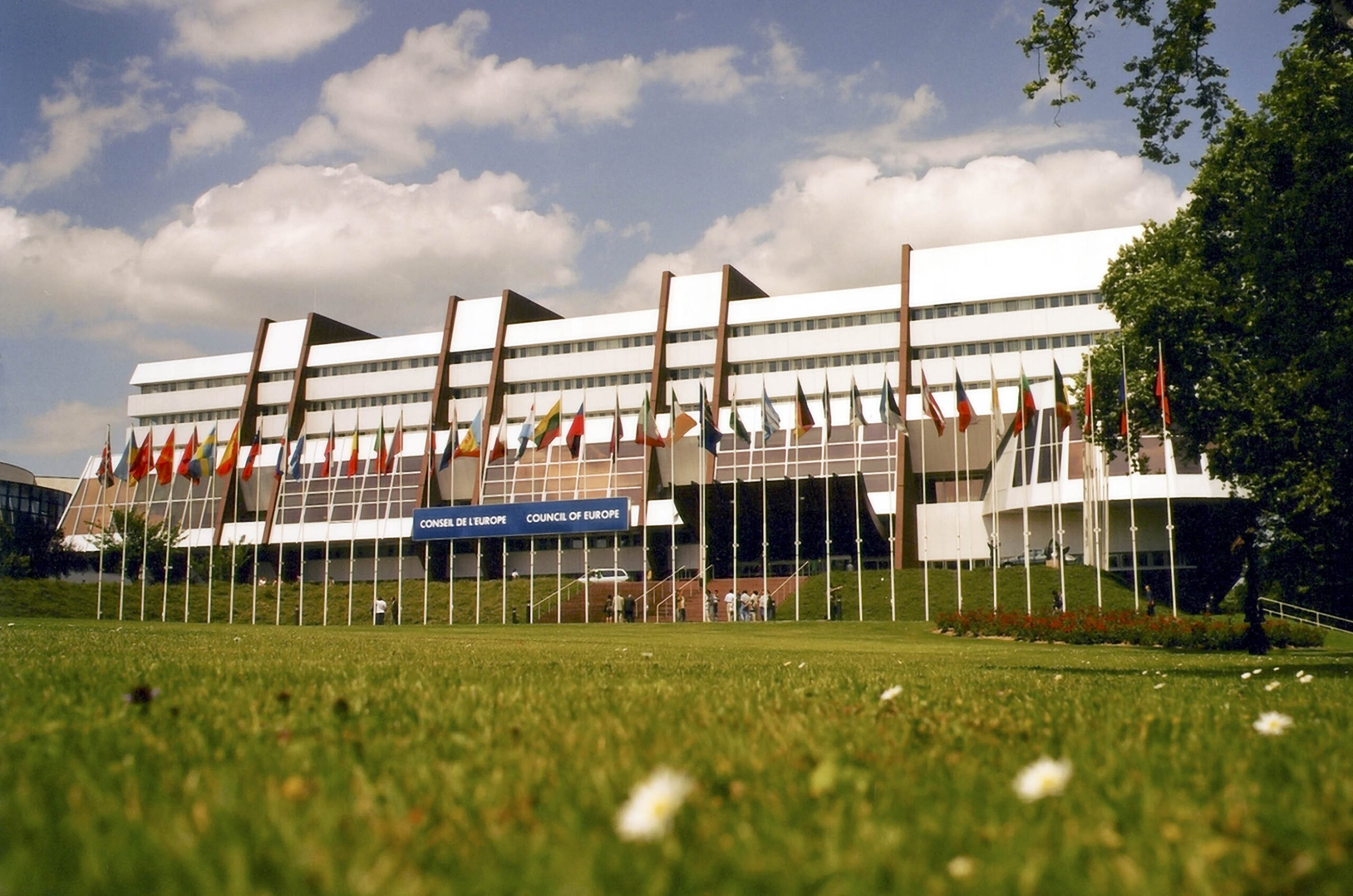
The Justice for Journalists Foundation, together with 31 civil society organisations from across Europe, is calling on Council of Europe Member States to take immediate, coordinated action in response to the growing threat of transnational repression (TNR). We urge the adoption of a dedicated Council of Europe Convention to prevent and counter this escalating challenge to human rights, democracy, and the rule of law.
On November 13, the European Parliament called for stronger EU action to counter the growing trend of authoritarian regimes targeting political opponents and critical voices beyond their borders. In a report adopted by a wide majority (512 votes in favour, 76 against, 52 abstentions), MEPs stressed that human rights defenders, essential to democracy and the rule of law, remain dangerously under-protected. The report notes that 10 countries are responsible for around 80% of documented cases of transnational repressions, including China, Türkiye, Tajikistan, Russia, Egypt, Cambodia, Turkmenistan, Uzbekistan, Iran, and Belarus.
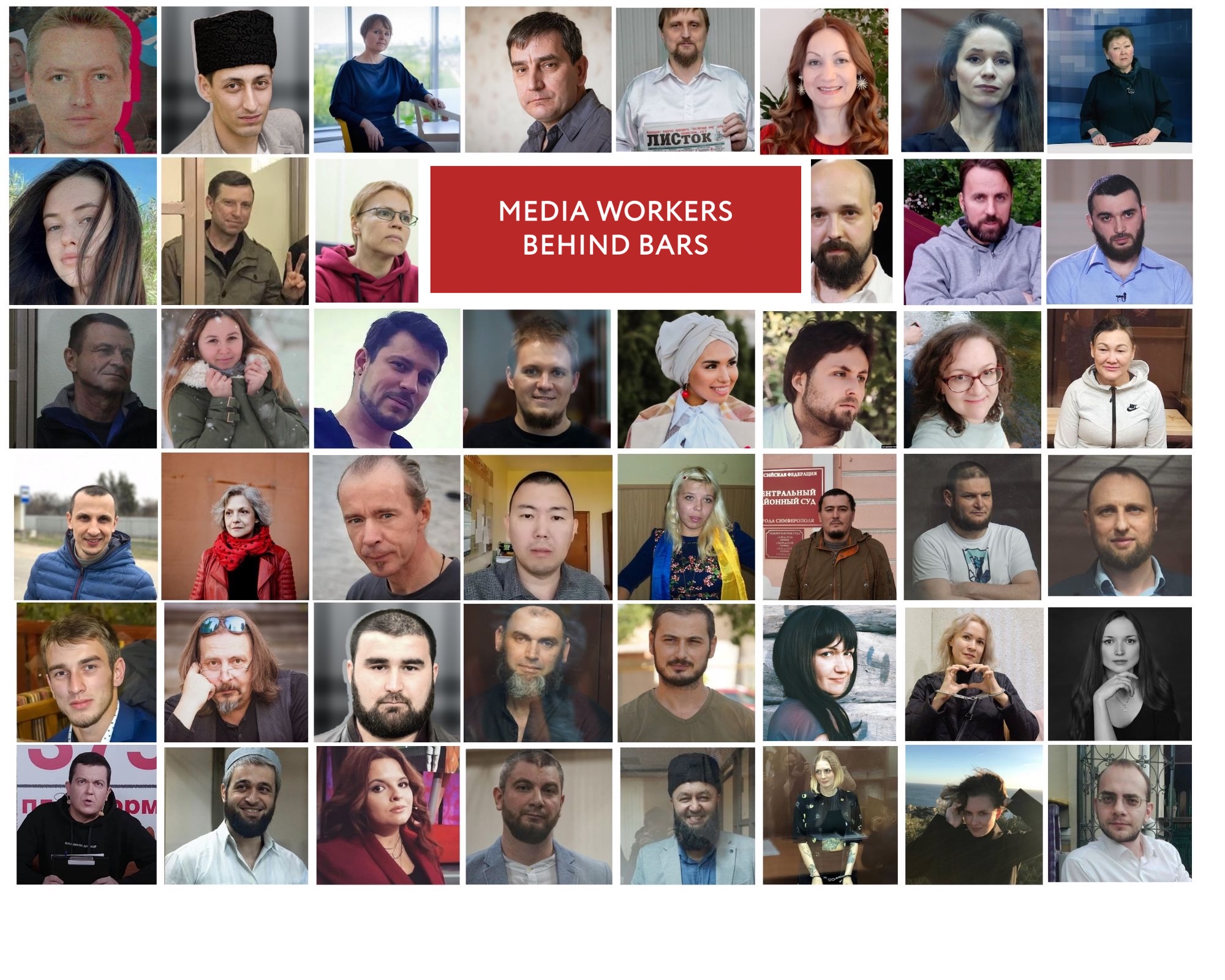
The Justice for Journalists Foundation has released a comprehensive database documenting media workers currently imprisoned across Azerbaijan, Belarus, Georgia, and Russia that highlights the alarming scale of state repression against media workers. According to the database, composed with the support of JFJ experts, at least 141 journalists and media professionals are behind bars in these four countries. This includes 37 in Azerbaijan, one in Georgia, 28 in Belarus, and 75 in Russia – among them both Russian and Ukrainian journalists.
OPPORTUNITIES FOR JOURNALISTS
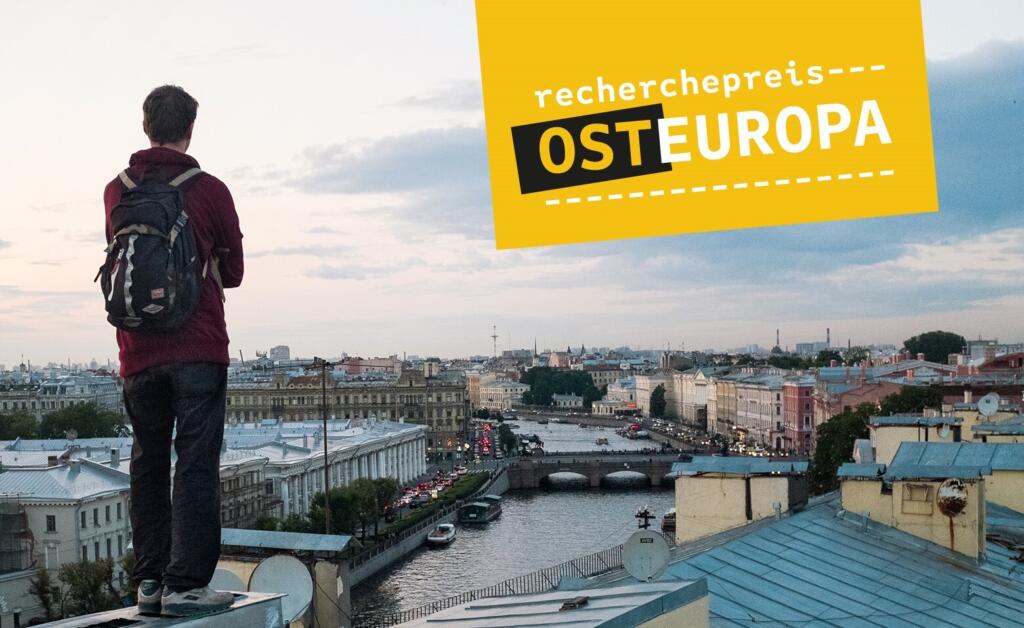
- Applications are now open for the Research Prize for Eastern Europe 2026. The prize, awarded by Renovabis, the Hoffnung für Osteuropa campaign (Diakonie Württemberg), and the European journalism network n-ost, supports outstanding research into social and political developments in Central, South-Eastern, and Eastern Europe. The application deadline is 15 January 2026.
- The Stringer Foundation is inviting applications from journalists and creative practitioners working across all forms of public media — from writing, photography, and film to public poetry, visual art, music, theatre, and more. The foundation seeks to support storytellers who investigate abuses of power, expose injustices, and champion truth. With core costs already covered by a donor, every dollar raised goes directly to journalists, enabling the foundation to distribute the full amount of funds collected. Grants will range from 10,000 USD to 100,000 USD, depending on resources raised. The deadline is 31 December 2025.
- The Pulitzer Centre is accepting applications for reporting grants supporting in-depth journalism on AI and surveillance systems and their impact on communities worldwide. This opportunity is open to staff and freelance journalists globally. The grant is open to journalists worldwide.
- TheNordic Council of Ministers has launched the fourth round of the Prosperous Future Grant Programme, supporting civil society projects that strengthen democracy, sustainability, and resilience in the Nordic–Baltic region. Civil society organisations from the Nordic countries, the Baltic states, Poland, actors connected to Ukraine, and independent civil society partners linked to Belarus and Russia are eligible to apply. The programme supports collaborative projects that involve at least three eligible countries, align with its strategic priorities, and incorporate cross-cutting perspectives such as environmental sustainability, gender equality, and youth and child rights. The application deadline is 30 January 2026.