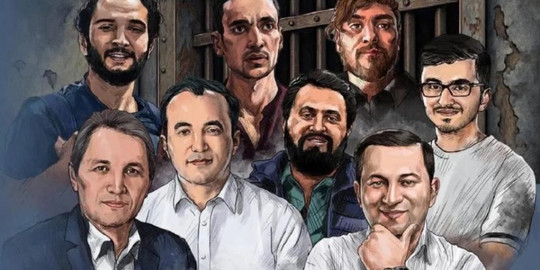
The Justice for Journalists Foundation together with the European and International Federations of Journalists and other international press freedom organisations condemns the extremely harsh prison sentences handed down by an Azerbaijani court to Toplum TV and media workers. Toplum TV co-founder Alasgar Mammadli was sentenced to 14 years, while Mushfig Jabbar, Farid Ismailov, and Elmir Abbasov were sentenced to 13, 12, and 11 years in prison, respectively.
This brings the total number of media workers incarcerated in Azerbaijan to 40 – on par with Russia’s 78. JFJ calls for the enhanced humanitarian efforts to secure the immediate release of all 140 media workers currently behind bars in the post-Soviet states.
UK JOURNALIST SAFETY RESEARCH
Department for Culture, Media and Sport released the UK Journalists Safety Research 2026. The study highlighted the growing safety challenges facing UK journalists. Based on a survey of 531 journalists and in-depth interviews with 55 participants, the study found that nearly three-quarters had experienced harassment, abuse, threats or legal intimidation linked to their work. This research underscored the urgent challenges identified by the National Committee for the Safety of Journalists and its National Action Plan, confirming the need for concerted action across government, industry, law enforcement, and civil society.
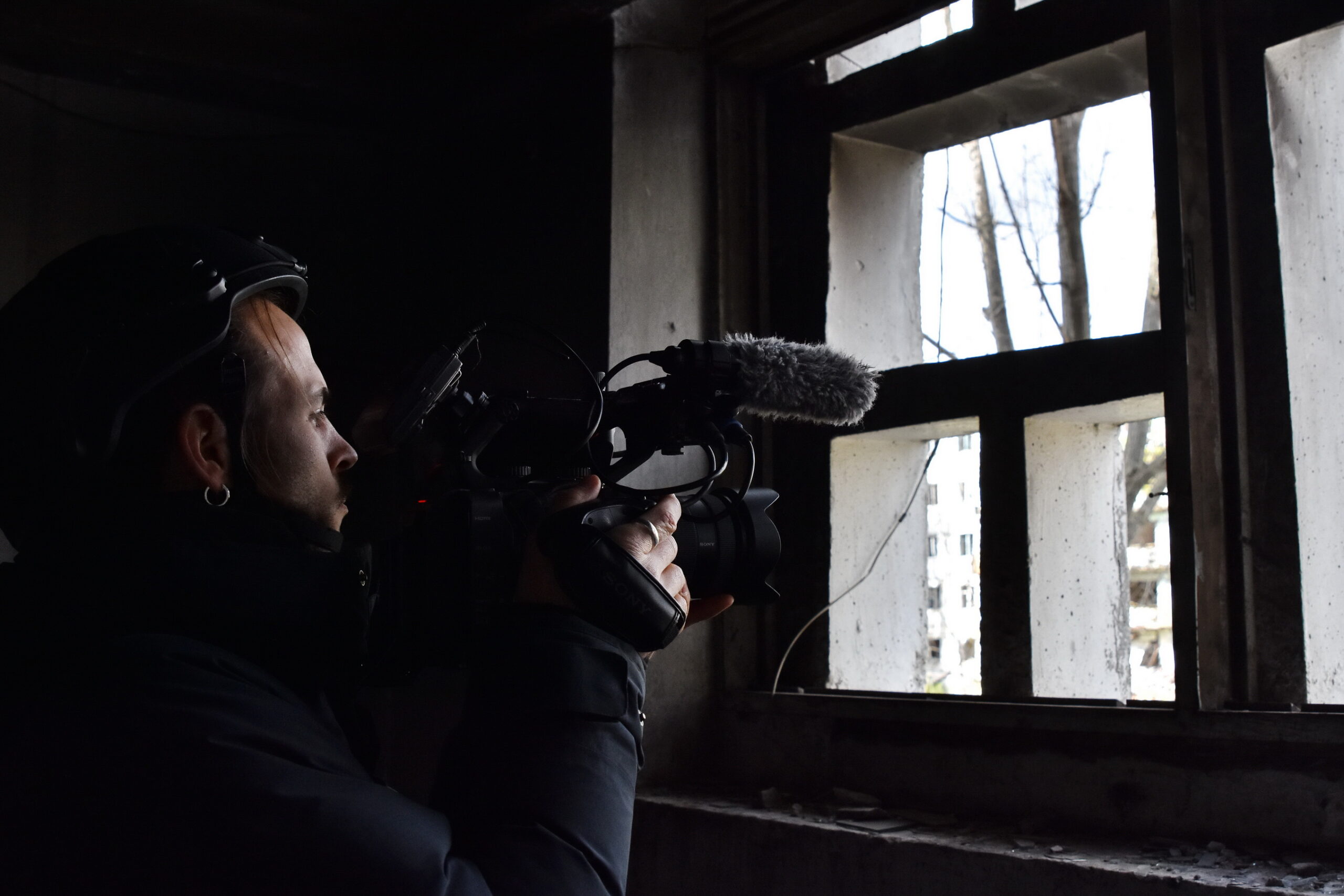
The National Union of Journalists of Ukraine (NUJU) published the findings of its safety monitoring for the first half of 2026, documenting 80 verified cases in which the ongoing war directly affected Ukraine’s media sector. Ten journalists and media professionals serving in Ukraine’s Armed Forces were killed. In addition, three journalists were injured. According to NUJU, at least 152 members of Ukraine’s media community have been killed as a result of Russian aggression since the start of the full-scale invasion. Meanwhile, at least 28 Ukrainian journalists from Crimea, Kherson, and Zaporizhzhia regions remain unlawfully detained in the Russian Federation.
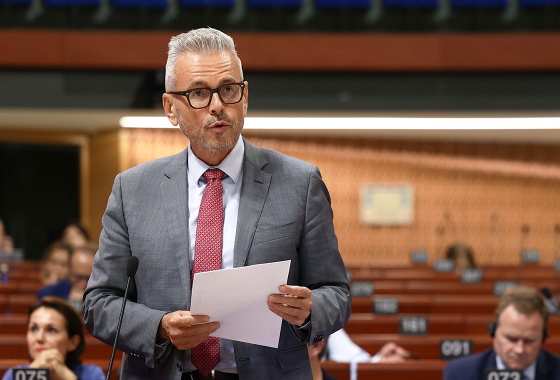
- On 22–26 June, the Parliamentary Assembly of the Council of Europe (PACE) held its summer plenary session in Strasbourg, featuring key debates on protecting democracy from the disruptive impact of AI, countering transnational repression, and the human rights situation in Iran. The Assembly also expressed concern at a broad climate of “silencing critical voices in Azerbaijan”, including through restrictive legislative measures, which effect has been to “suppress independent journalism, genuine political opposition, civic space and freedom of expression”. JFJ’s annual report Attacks on media workers in Azerbaijan in 2025 was used in preparing the PACE report.
- On 2 July, JFJ participated in a meeting of the All-Party Parliamentary Group (APPG) on Media Freedom at the UK Parliament, focusing on the case of arbitrarily detained Georgian journalist Mzia Amaglobeli. The meeting provided an opportunity to hear directly from Mzia’s colleagues and legal team about the urgent steps the UK Government can take to protect independent journalists in Georgia before they are forced to cease their work.
- 20 July marked 10 years since the murder of journalist Pavel Sheremet. On July 20, 2016, in downtown Kyiv, his car was remotely detonated with a homemade explosive device. Sheremet was alone in the car and died a few minutes later in an ambulance. As part of the JFJ Investigative Grant Programme, JFJ supported Zaborona’s investigation into the murder of Sheremet.
EXILED JOURNALISTS AND TRANSNATIONAL REPRESSION
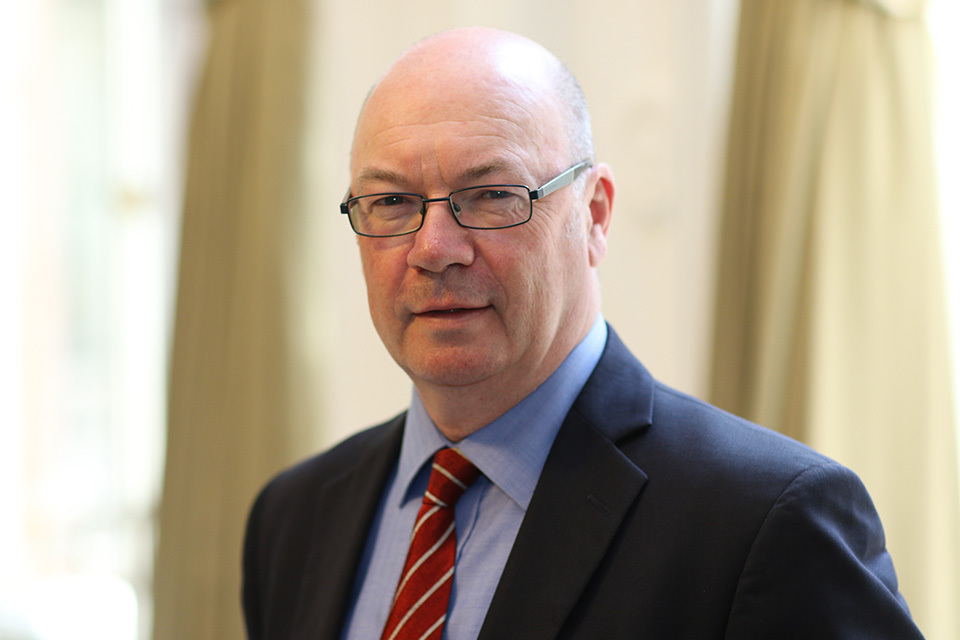
- The UK Government has appointed Alistair Burt, former Foreign Office Minister, as its first envoy for complex consular cases, a new role designed to strengthen support for British nationals who are arbitrarily or unlawfully detained overseas. The role has been created to provide additional support in particularly complex cases, including those involving concerns about welfare, due process or human rights.
- The European Parliament has adopted a resolution on countering transnational repression, calling for a zero-tolerance approach, stronger cross-border information sharing and the appointment of an EU coordinator to address the issue. The resolution builds on a report led by MEP Hannah Neumann, which highlights transnational repression as a systematic threat and sets out practical measures to better protect those targeted, close gaps in existing systems and strengthen accountability for perpetrators.
- International Partnership for Human Rights (IPHR) is accepting applications to its emergency support programme for victims of transnational repression (TNR). The programme supports individuals targeted or at high risk of being targeted by Russian government agencies and/or their proxies due to their professional activities or civic position. The programme was established to address the increasing persecution of critical voices by Russian law enforcement abroad.
- The Rory Peck Trust has launched a new scholarship to support freelance journalists in exile as they rebuild their careers in the UK. Delivered in partnership with City St George’s, University of London, the scholarship will fund one journalist-in-exile to study for an MA in International Journalism.
- Reporters Without Borders Assistance Desk supports professional and citizen journalists facing reprisals linked to their reporting. Assistance may include emergency financial aid, relocation support, legal and medical assistance. More information available here.
- Committee to Protect Journalists offers emergency assistance to journalists and media workers facing threats or displacement because of their work. Support may include emergency financial assistance, relocation support, safety guidance and security advice. More information available here.
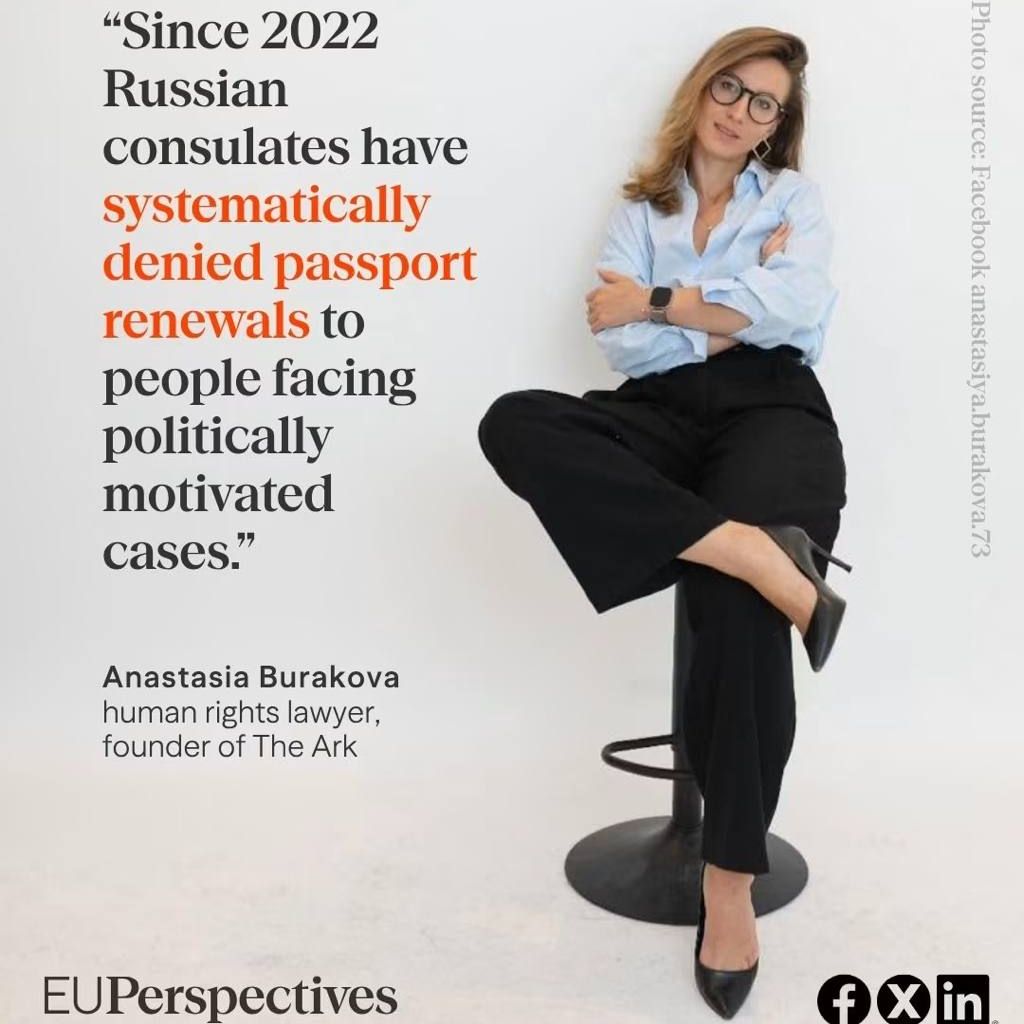
In a recent interview with EU Perspectives, Russian human rights lawyer and founder of The Ark, Anastasia Burakova, discussed the growing challenges faced by Russians who oppose the war in Ukraine. Sentenced in absentia to 7.5 years in prison by a Russian court in 2025, Burakova described a “double crackdown” – repression by the Kremlin alongside European policies that, she argues, risk treating Putin’s regime and the hundreds of thousands of Russians who have resisted it, often at great personal cost, as one and the same.
In July, the State Duma voted for the bill, later approved by the Federation Council, that restricts the rights of exiled Russians prosecuted by Russia on politically motivated charges, especially media workers, activists, and dissidents. Those living abroad and charged with violation of foreign agents law, calls for sanctions against Russia, calls for violation of the Russian territorial integrity, discrediting the armed forces, or for involvement in undesirable organisations, will be subject to a sweeping range of restrictions including the freezing of bank accounts; a ban on selling property or vehicles; a prohibition on conducting transactions through a power of attorney; suspension of all previously issued licences, permits and accreditations; denial of access to state and municipal services; ban on using online banking or mobile banking apps; and withdrawal of consular services abroad, including issuance and renewal of travel passports and prohibition on certifying transactions, wills, and powers of attorney.
OPPORTUNITIES FOR MEDIA WORKERS
- Covering Climate Now invites journalists worldwide to apply for the free online CCNow Academy, running from 2 September to 16 December 2026. The programme includes 12 weekly interactive sessions on climate journalism. It is designed for journalists with beginner to intermediate climate expertise. The application deadline is 11 August.
- European Centre for Press and Media Freedom invites applications for a remote internship within the Media Freedom Rapid Response project. The role offers experience in international project coordination, event organisation, communications and advocacy. The internship starts on September 15 2026, lasts three months and can be part-time or full-time. The application deadline is 30 July.
- Equal Rights and Independent Media provides emergency grants, travel support and funding for individual projects for journalists, activists, independent media workers and civil society actors in Russia. The programme is relevant for those facing repression, displacement or security risks and can support both urgent needs and longer-term initiatives. Applications are accepted on a rolling basis here.