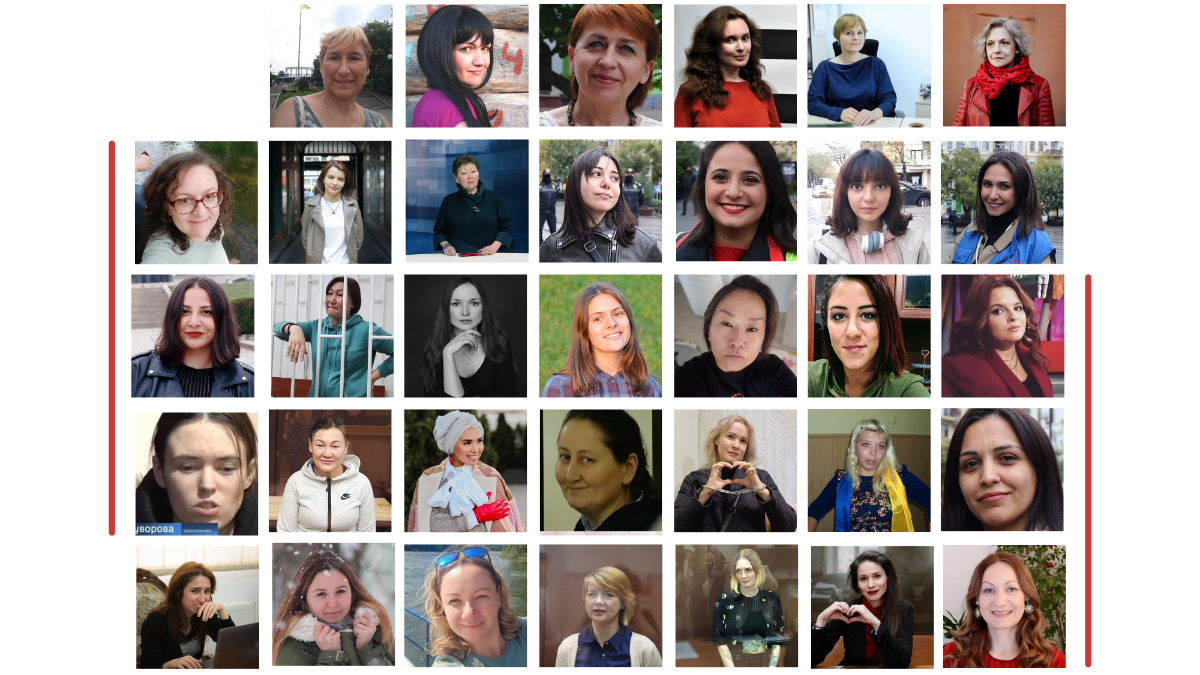
On International Women’s Day, JFJ draws attention to the alarming situation of female media workers who remain behind bars for doing their jobs. At least 33 female media workers are currently imprisoned in Azerbaijan, Belarus, Georgia and Russia. Among them are nine journalists in Azerbaijan, six in Belarus, one in Georgia, 17 media workers imprisoned in Russia, including 12 Russian journalists, one Crimean and four Ukrainian media workers.
In addition to the deprivation of their liberty, several imprisoned journalists are reported to be held in harsh and degrading conditions. They face constant pressure from prison administrations, restricted access to legal counsel and medical care, prolonged isolation, and other forms of mistreatment that may amount to psychological or physical torture. Such conditions pose serious risks to their health and safety and further violate their fundamental rights.
We call attention not only to the courage of these women but also to the urgent need for international solidarity and sustained advocacy on their behalf. The full list of arrested journalists can be found here.
ATTACKS ON MEDIA WORKERS IN 2025
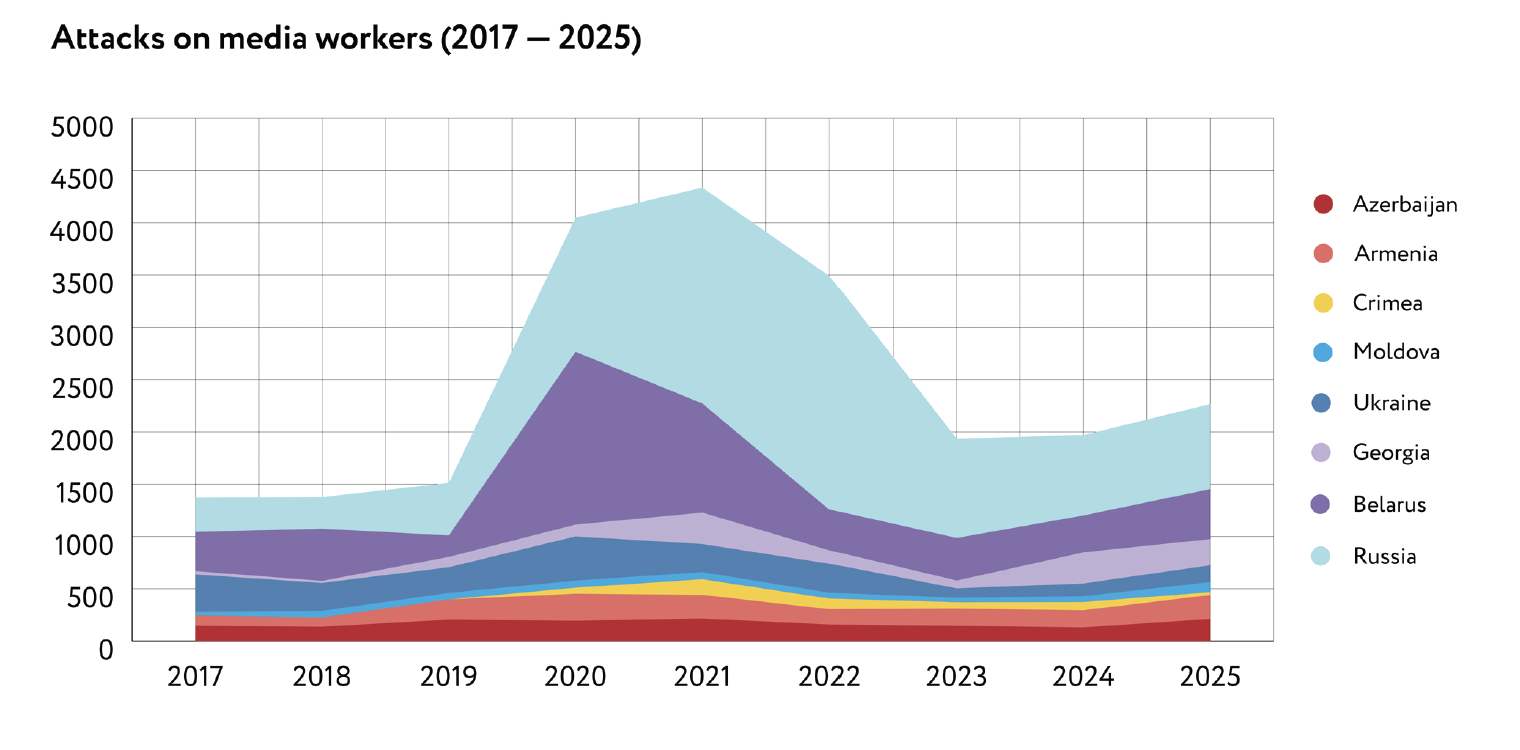
In 2025, JFJ and its partners continued to monitor developments in the media landscape across five Council of Europe member states, as well as in Russia and Belarus. The trends identified in our 2024 report persist: while Armenia, Moldova, and Ukraine maintain pluralistic and independent media environments, Azerbaijan, Georgia, Belarus, and Russia have fallen further in media freedom rankings.
In these four countries, state actors remain the primary perpetrators of attacks against media workers and media outlets, with judicial and economic means accounting for the vast majority of incidents. As the number of independent journalists continues to shrink in these increasingly authoritarian states, governments have expanded their persecution to target media workers living in exile, while further mistreating those already imprisoned through harsh conditions of detention.
Please email info@jfj.fund if you would like to receive a PDF copy of the report.
EVENTS
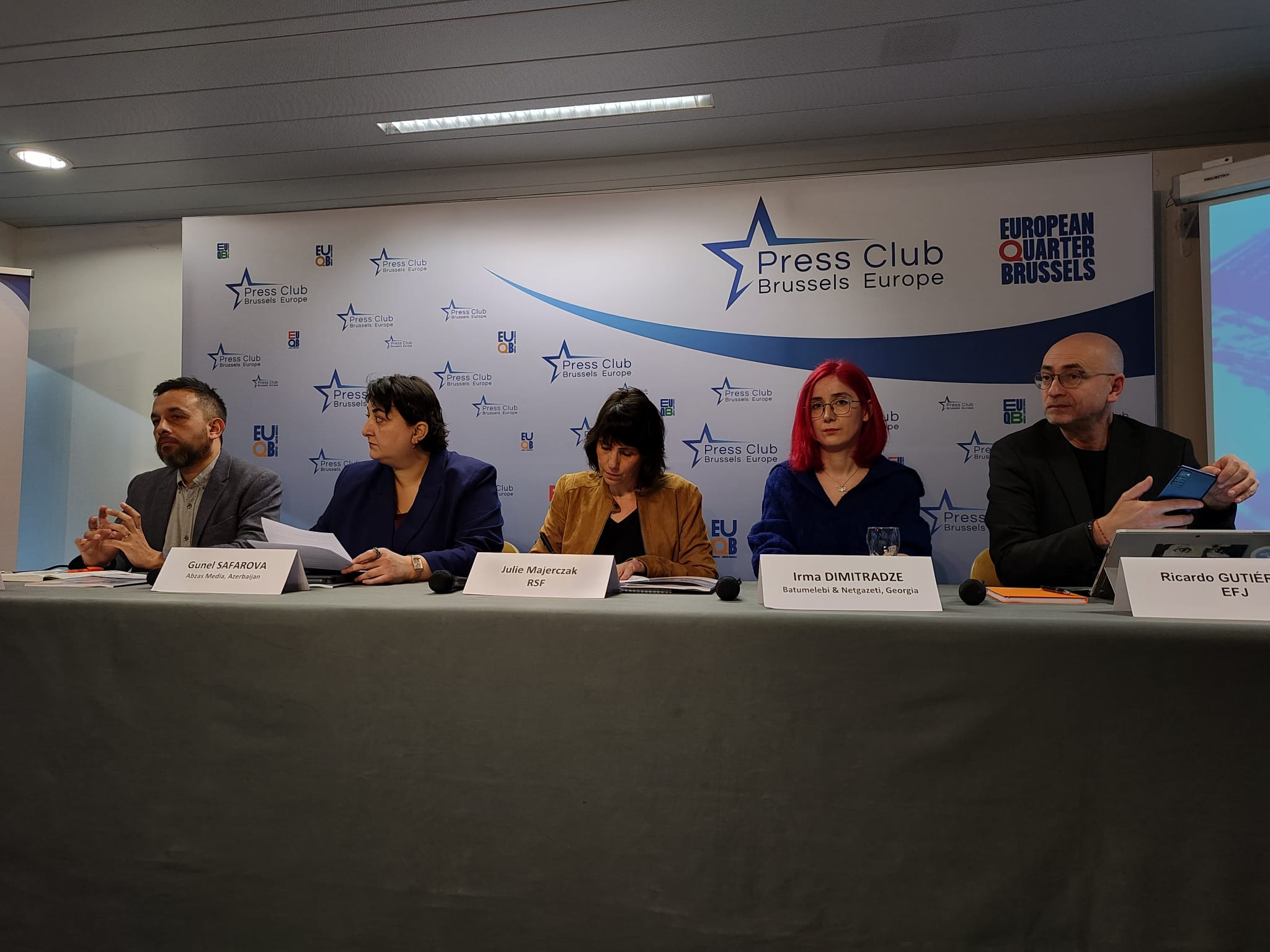
On 3 March, the Platform to Promote the Protection of Journalism and Safety of Journalists launched its annual Europe Press Freedom Report“On the tipping point: Press freedom 2025” in Brussels. The
report analyses key legal, policy and practical developments affecting media freedom and journalist safety in Europe and sets out actions to improve protection. During the launch, journalists from Azerbaijan, Georgia, Hungary and Serbia shared their testimonies. While in Brussels, Platform Partners also conducted several advocacy meetings.
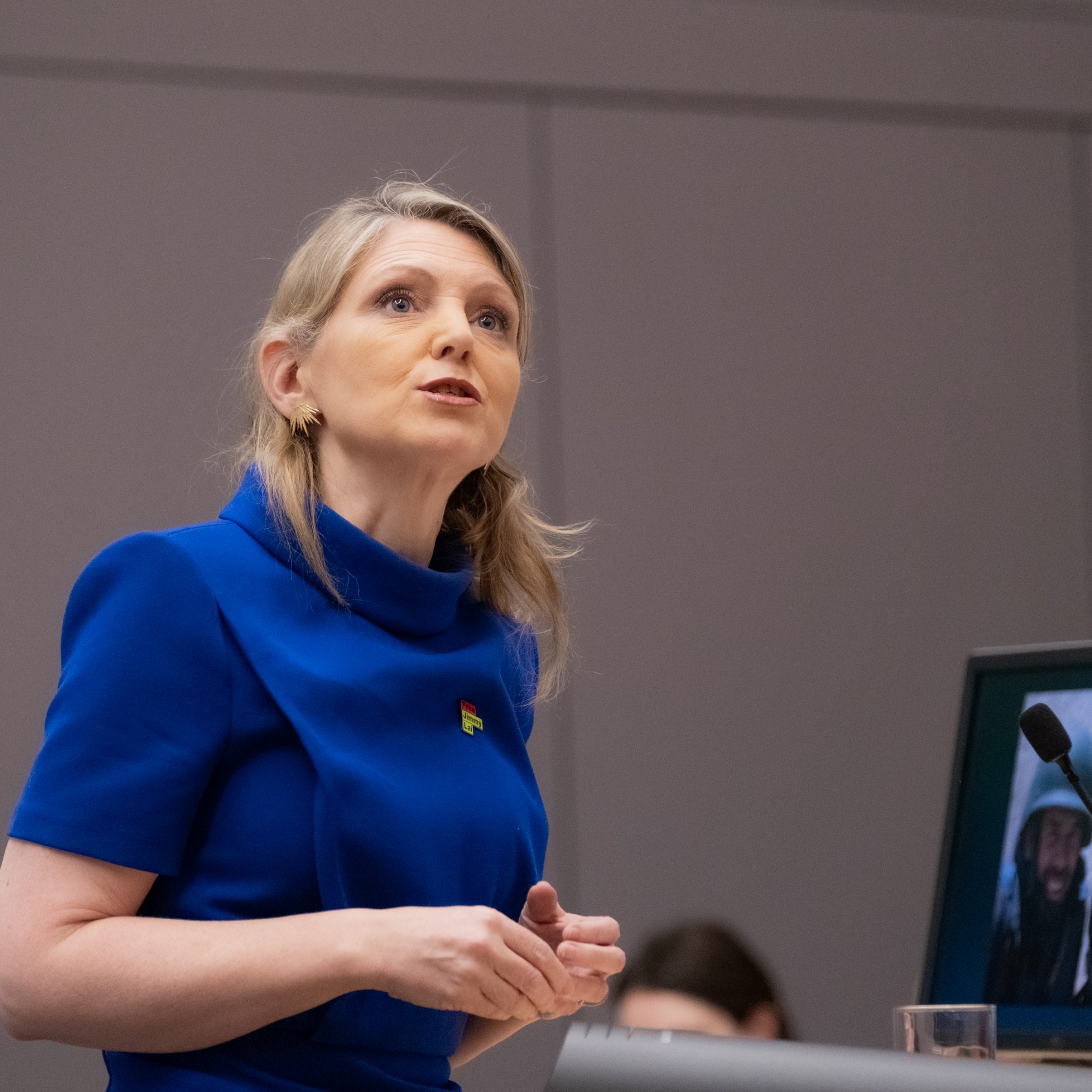
On 5-6 March, the Justice for Journalists Foundation, the Foreign Policy Centre and the International Bar Association’s Human Rights Institute held the second UK Media Freedom Forum, in partnership with City St George’s, University of London. The Forum received support from UNESCO, the Council of Europe, the OSCE, RPC, Centre for Journalism and Democracy and the UK Anti-SLAPP Coalition, whose representatives also participated in the panel discussions.
The Forum opened with keynote speeches from human rights lawyer Caoilfhionn Gallagher KC and Chris Elmore MP, and attracted more than 250 participants both in-person and online. Over the two days, panelists explored a number of themes affecting media freedom around the world, including transnational repression, the role of independent media in conflict-affected regions, the use of lawfare and strategic lawsuits against public participation (SLAPPs), as well as disinformation and media literacy.
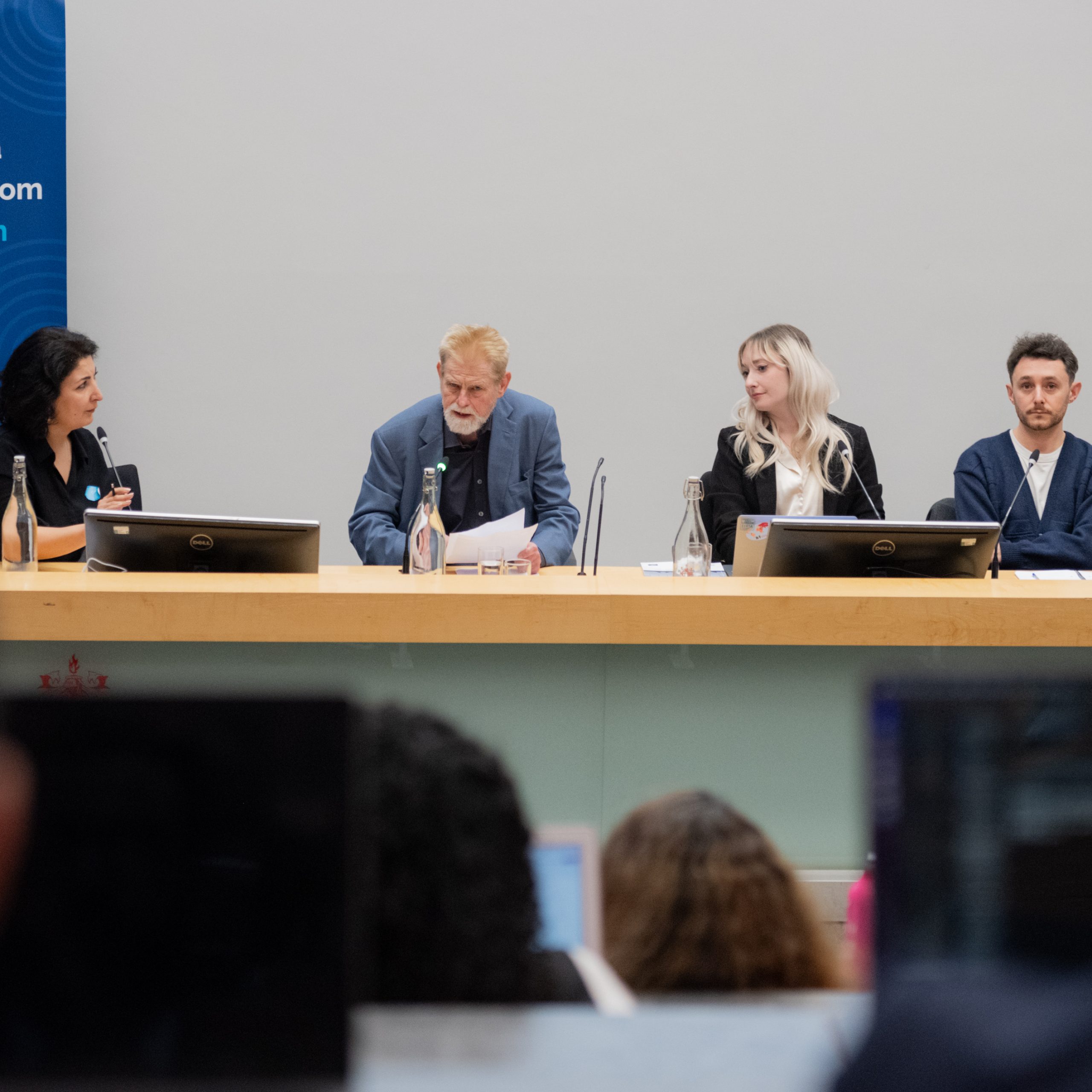
During the Forum, Partners of the Safety of Journalists Platform launched their annual report in London. The launch highlighted key report findings, examined the political dimension of the Platform’s work, and addressed major challenges, including media capture, transnational repression, and violence against women media workers.
STATEMENTS AND NEWS FROM PARTNERS
- On 23 February, JFJ joined Index on Censorship and eight other media freedom, free expression, and journalists’ organisations in calling on the UK government to urgently secure and sustain funding for the BBC World Service.
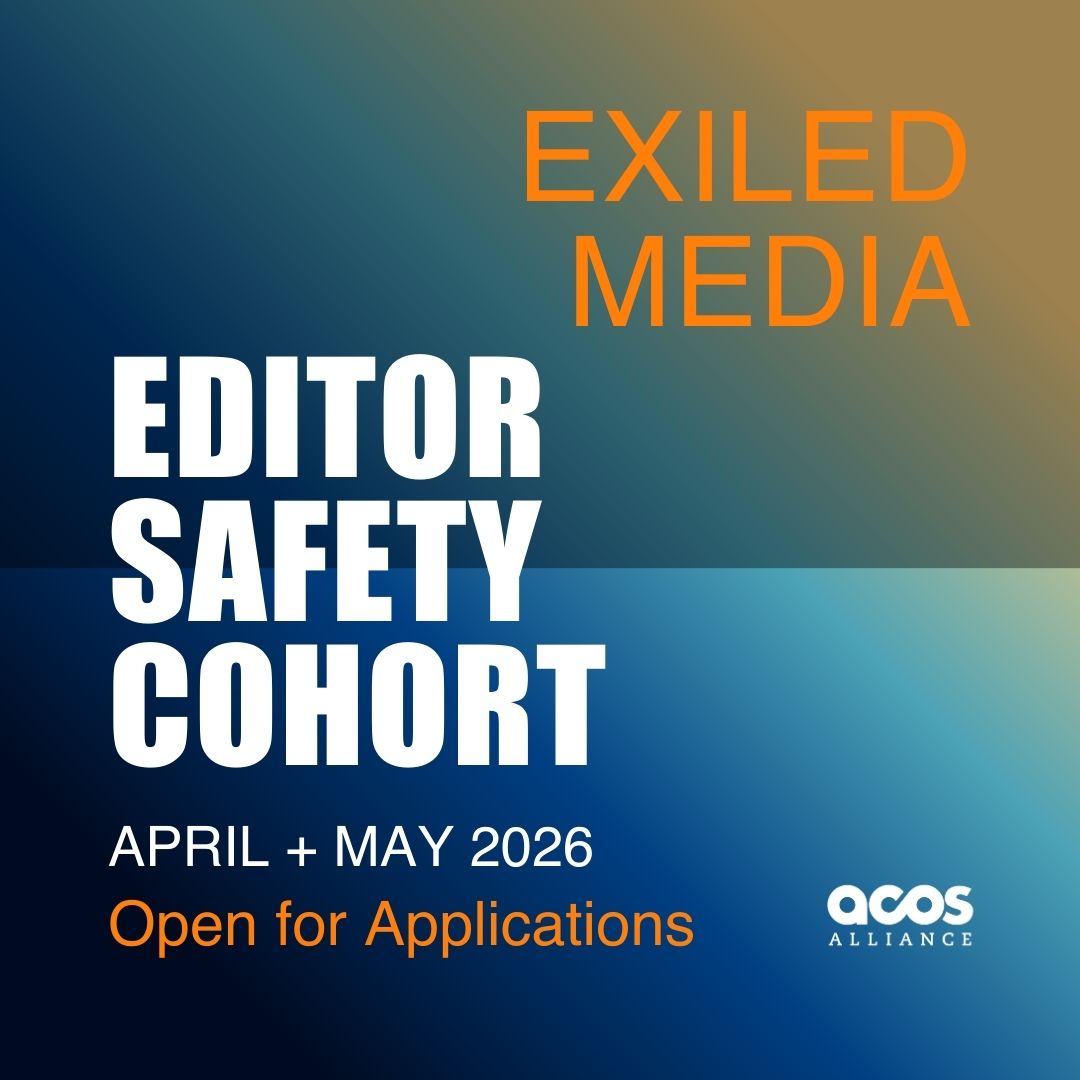
- The ACOS Alliance has launched a call for applications for its first Exiled Media Editor Safety Cohort. The course is conducted online, and ACOS is offering free access to a small group of editors working for exile media globally. This course is designed for those who assign news stories and investigative reporting to local journalists and freelancers, and participate in editorial decision-making and safety matters within their newsroom or media outlet. The application deadline is March 17, 2026.
- Novaya Gazeta Europe is recruiting an English editor to lead and develop our English-language output. Since launching in exile in April 2022, Novaya Gazeta Europe has built a strong English-language presence across its website and social media platforms.
- The Investigative Journalism for Europe (IJ4EU) programme has openedtwo new calls for proposals, offering funding of up to €50,000 for ambitious cross-border collaborations on stories of public interest. The application deadline is April 13, 2026.
- Applications are now open for the Journalism Science Alliance 2026 grants, which fund collaborative investigative projects between journalists and scientific researchers. Supported by the European Journalism Centre and the Creative Europe Programme, the grants offer up to EUR 50,000 for projects addressing major public-interest topics such as climate, health, technology, and governance. The application deadline is March 23, 2026.
- IREX is providing support to individuals and organisations who may be experiencing or anticipating risks as a result of their work in media, journalism, human rights, and other fields protecting freedom of expression. The support is free, confidential, and typically provided within 24 hours. If you are facing challenges or foresee potential risks connected to your work, please consider reaching out to contact@risksupport.net.
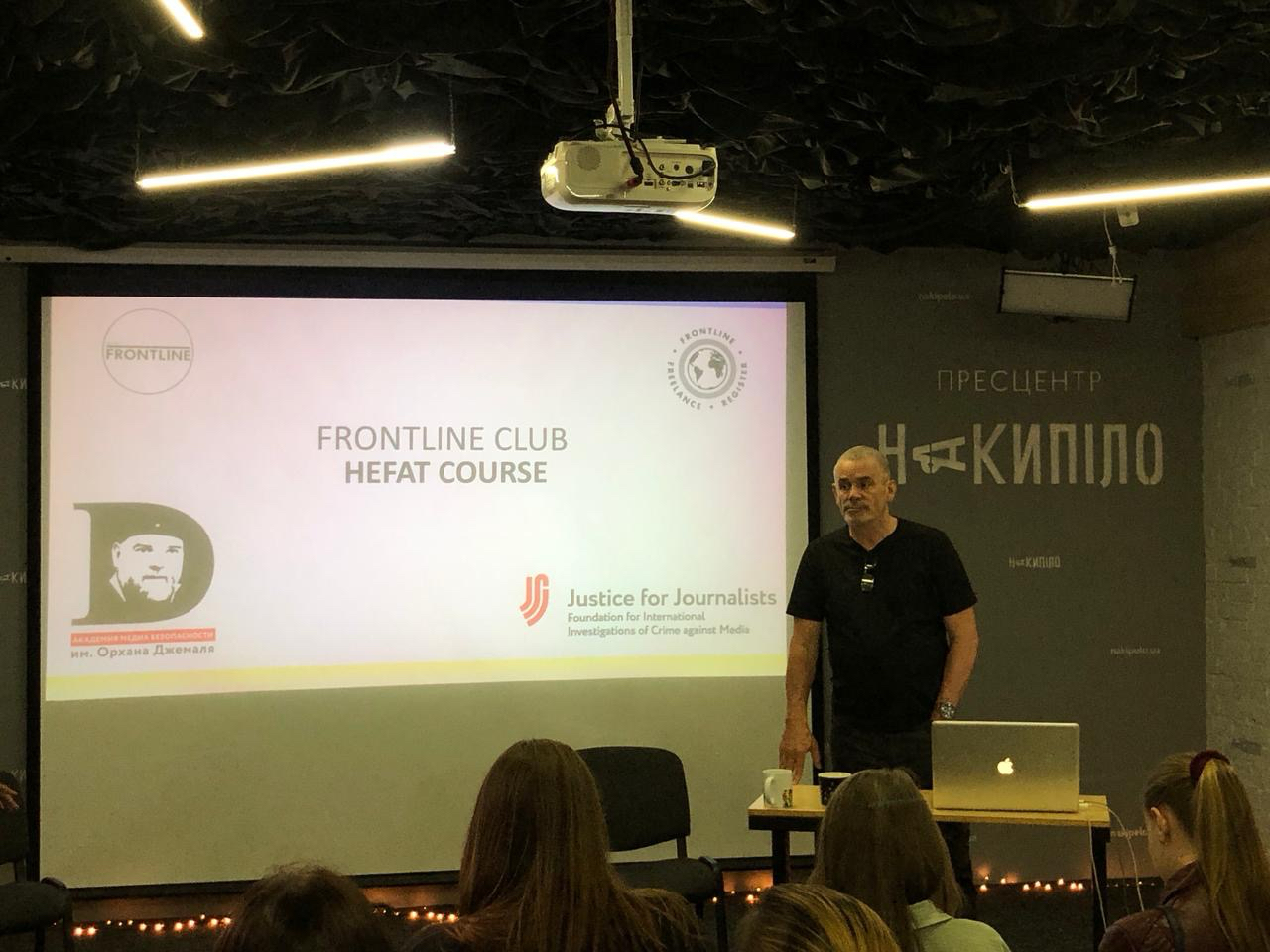
We are deeply saddened by the passing of Paul Conroy at age 61. At JFJ, we were fortunate to call Paul a collaborator and friend, working alongside him to deliver essential safety training to journalists in the post-Soviet region. Paul was a man of immense courage who dedicated his career to the frontlines. His legacy survives in the dozens of media workers who now carry his knowledge and spirit into the field.